
Introduction
Peptides are fundamental biological molecules that play critical roles in various physiological processes. Composed of short chains of amino acids linked by peptide bonds, they are smaller than proteins but can exhibit a diverse range of biological activities. This article will explore the structure, function, and applications of peptides in science and medicine.
Structure of Peptides
Peptides are formed through the condensation of amino acids, which are the building blocks of proteins. An amino acid consists of a central carbon atom, an amino group (-NH2), a carboxyl group (-COOH), a hydrogen atom, and a variable side chain (R group) that determines the unique properties of each amino acid. When two amino acids bond, they form a dipeptide, and as more amino acids are added, the chain grows longer, leading to oligopeptides (typically 2-20 amino acids) and polypeptides (more than 20 amino acids).
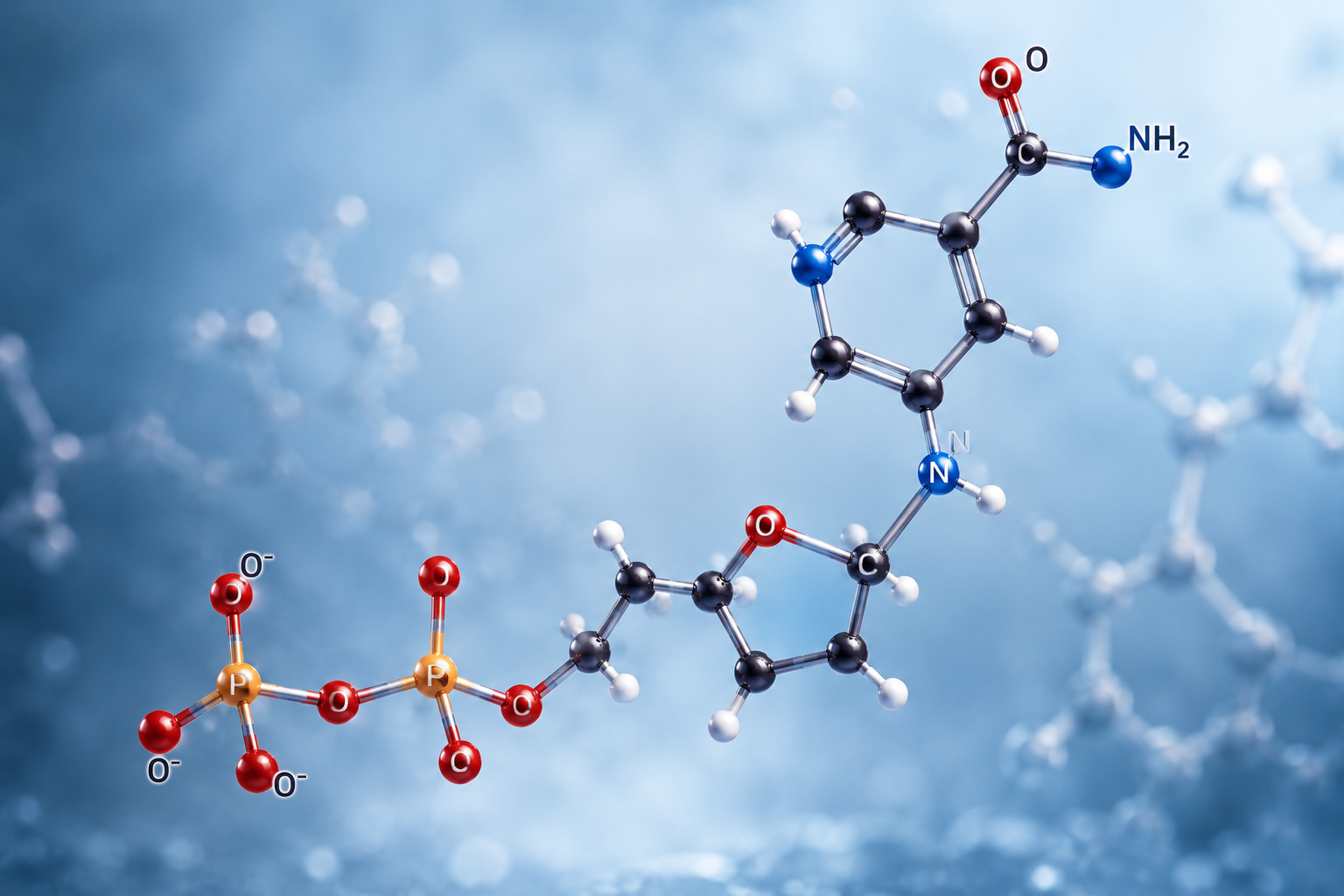
The sequence of amino acids in a peptide, known as its primary structure, dictates its higher-order structures, including secondary (alpha-helices and beta-sheets), tertiary (three-dimensional folding), and quaternary structures (multiple polypeptide chains). However, most peptides do not reach the complexity of proteins and often remain in simpler conformations.
Types of Peptides
Peptides can be categorized based on their origin and function. Naturally occurring peptides are often classified into two main groups:
- Hormonal Peptides: These peptides act as signaling molecules in the body. Examples include insulin, which regulates glucose metabolism, and oxytocin, which plays a role in social bonding and reproduction.
- Neuropeptides: These peptides are involved in neuron signaling and can influence pain perception, reward, and stress responses. Examples include endorphins, which are involved in pain relief and pleasure.
In addition to naturally occurring peptides, synthetic peptides have gained prominence in research and therapeutic applications. These peptides can be designed to mimic or inhibit the action of natural peptides, leading to new treatments for various diseases.
Functions of Peptides
Peptides perform a multitude of functions in biological systems, including:
- Signaling Molecules: Peptides serve as hormones and neurotransmitters, transmitting signals between cells and regulating physiological processes.
- Antimicrobial Activity: Many peptides exhibit antimicrobial properties, acting as the first line of defense against pathogens. These antimicrobial peptides (AMPs) can disrupt the membranes of bacteria, fungi, and viruses.
- Immune Response: Certain peptides play a role in the immune system, helping to identify and eliminate foreign invaders. For instance, peptide fragments presented by major histocompatibility complex (MHC) molecules enable T-cells to recognize infected or cancerous cells.
- Cell Growth and Repair: Peptides can stimulate cell proliferation and tissue repair, making them valuable in regenerative medicine and wound healing.
Applications of Peptides
The unique properties of peptides have led to their use in various fields, including medicine, biotechnology, and cosmetics.
1. Therapeutic Applications
Peptides have emerged as promising candidates for drug development due to their high specificity and low toxicity. Several peptide-based therapeutics have been approved for clinical use, including:
- Insulin: Used for managing diabetes, insulin is one of the most well-known peptide hormones.
- Liraglutide: A GLP-1 analog used in the treatment of type 2 diabetes and obesity.
- Bivalirudin: An anticoagulant peptide used to prevent blood clots during certain medical procedures.
Researchers are also exploring the potential of peptide vaccines, which use specific peptides to elicit an immune response against pathogens or cancer cells.
2. Diagnostic Applications
Peptides are used in various diagnostic assays, including enzyme-linked immunosorbent assays (ELISAs) and mass spectrometry. Their ability to bind selectively to specific antibodies makes them valuable in detecting diseases and monitoring therapeutic responses.
3. Cosmetic Applications
Peptides are increasingly incorporated into cosmetic formulations due to their ability to promote skin health. Certain peptides can stimulate collagen production, enhance skin barrier function, and reduce the appearance of wrinkles. As a result, peptide-infused skincare products have gained popularity among consumers seeking anti-aging solutions.
Challenges and Future Directions
Despite their potential, the development of peptide-based therapies faces several challenges. Peptides are often susceptible to enzymatic degradation, which can limit their bioavailability and efficacy. Researchers are investigating various strategies to enhance peptide stability, such as chemical modifications and the use of delivery systems.
Moreover, the cost of peptide synthesis can be high, particularly for longer peptides or those requiring complex modifications. Advances in peptide synthesis technologies, such as solid-phase peptide synthesis (SPPS) and automated synthesizers, are expected to reduce production costs and improve accessibility.
The future of peptide research is promising, with ongoing studies exploring the use of peptides in targeted drug delivery, immunotherapy, and personalized medicine. As our understanding of peptide biology deepens, new therapeutic applications are likely to emerge, further highlighting the importance of these molecules in health and disease.
Conclusion
Peptides are versatile biomolecules that play essential roles in various biological processes. Their unique properties and functions make them valuable in therapeutic, diagnostic, and cosmetic applications. As research continues to uncover the complexities of peptide biology, the potential for innovative peptide-based solutions in medicine and beyond remains vast. The future holds exciting prospects for peptides, promising advancements that could significantly impact human health and well-being.